

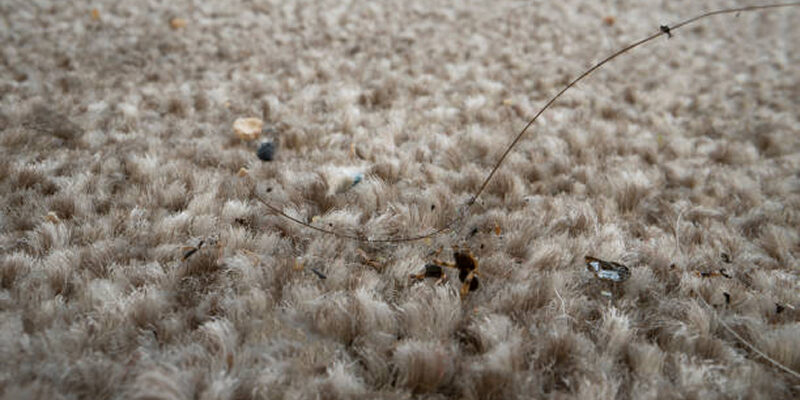
Is Your Rug Making You Sick? Hidden Dirt You Can’t See
Your rug might look perfectly fine, but what’s hiding deep in those fibers is another story. Rugs act like a filter for your home, trapping dust mites, pet dander, mold spores, pollen, and even bacteria over time. The problem is, regular vacuuming only gets the surface layer. According to the American Lung Association, rugs and carpets can trap pollutants like dust mites, pet dander, mold spores, and pesticides, and children are especially at risk since they spend so much time on the floor.
So is your rug making you sick? Hidden dirt you can’t see is one of the most overlooked causes of indoor allergy symptoms, and it builds up faster than most people realize. Dust mites thrive in warm, humid environments, feeding on dead skin cells and settling deep into rug fibers where they stay out of reach of even a good vacuum. If anyone in your home deals with unexplained sneezing, congestion, itchy eyes, or worsening asthma, your rug could absolutely be part of the problem.
This is where professional rug cleaning makes a real difference. A deep clean using hot water extraction or immersion washing reaches the layers that your vacuum simply cannot, pulling out the allergens, bacteria, and built-up grime that have been accumulating for months. Professional rug cleaning is not just about appearance, it is about creating a healthier living space for everyone in your home, especially kids and pets who spend the most time closest to the floor.
Pet owners face an extra challenge here. Pet dander, urine residue, and tracked-in dirt settle into rug fibers quickly and are notoriously tough to remove with store-bought products. A professional rug cleaning service has the right equipment and fiber-specific solutions to actually lift those contaminants out, rather than just masking them. The difference in air quality and odor after a professional treatment can be genuinely noticeable.
Most experts recommend scheduling professional rug cleaning at least once a year for average households, and every six months if you have pets, young children, or a high-traffic area like a hallway or living room. Even if your rug looks clean on the surface, that does not mean it is. Giving it the deep clean it needs keeps your home looking great and, more importantly, keeps your family breathing easier all year long.
So what are you waiting for? Let’s get that rug or carpet cleaned for healthier home. Contact us today!