

Sisal Rug Cleaning
Sisal rugs are among the most durable and design forward natural fiber rugs available, woven from the strong leaf fibers of the agave plant, they bring a bold, organic texture to Seattle homes that no synthetic rug can replicate. But sisal’s reputation for toughness creates a dangerous misconception about cleaning: many homeowners assume that because sisal is strong underfoot, it can handle aggressive cleaning methods. It cannot. Like all natural plant fibers, sisal is highly sensitive to moisture, excess water causes shrinkage, browning, backing deterioration, and mold growth that can permanently damage a sisal rug. At Fuzzy Wuzzy Rug Cleaning Company, we offer professional sisal rug cleaning in Seattle using low moisture and dry extraction methods that clean deep within the fiber weave without triggering the moisture damage that ruins sisal rugs. Request a free quote today.
Why Sisal Rugs Are More Moisture Sensitive Than They Appear
Sisal looks and feels like one of the toughest natural materials used in rugs, the leaf fibers of the Agave sisalana plant are strong enough to be used in ropes, twine, and industrial matting. That physical toughness is real. But physical strength and moisture tolerance are completely different properties, and sisal rates poorly on moisture tolerance despite its impressive durability underfoot. Here is what moisture does to sisal rugs and why it causes such serious damage:
- Shrinkage, sisal fiber contracts significantly when saturated with water, causing the rug to pull inward and distort. Unlike wool shrinkage which affects the fiber surface, sisal shrinkage affects the entire woven structure, the rug becomes smaller, tighter, and misshapen in ways that are very difficult to reverse after drying.
- Browning, sisal contains natural plant tannins and cellulose compounds that oxidize and migrate to the fiber surface when wet, leaving permanent brown or yellow discoloration that cannot be cleaned out because the discoloration is caused by the cleaning moisture itself.
- Backing deterioration, most sisal rugs have a latex or cotton canvas backing that absorbs and holds moisture after the fiber surface appears dry; prolonged backing dampness causes the latex to break down, the canvas to rot, and the adhesive bond to fail, causing the rug to separate and buckle.
- Mold and mildew, sisal dries slowly from the interior of the fiber outward; the combination of slow drying, organic plant material, and trapped backing moisture creates ideal conditions for mold and mildew that develop invisibly before any surface signs appear.
- Fiber weakening, prolonged moisture exposure breaks down the cellulose bonds in sisal fiber, causing the strands to become brittle over time and prone to fraying and breaking under normal foot traffic.
- Stiffening, improperly dried sisal becomes stiff and scratchy rather than returning to its original texture; this is caused by cellulose degradation in the fiber combined with residue from cleaning solutions that were not fully extracted.
The correct approach for sisal rug cleaning is controlled low moisture or dry extraction methods combined with immediate and thorough accelerated drying, the same fundamental approach we use for seagrass and jute, calibrated to sisal’s specific fiber properties.
Types Of Sisal Rugs We Clean
We clean all styles and constructions of sisal and related plant fiber rugs, including the ones mentioned below.
Woven Sisal Rugs
The most common style, sisal fiber woven in herringbone, basketweave, boucle, or cable weave patterns with a latex or cotton canvas backing. The weave pattern affects how much debris accumulates in the rug, tighter weaves trap less dry soil but are harder to rinse if any moisture is introduced; looser weaves trap more debris but allow better air circulation during drying.
Sisal Stair Runners & Wall to Wall
Installed sisal, whether as a stair runner or wall to wall broadloom presents additional challenges because the backing is adhered to the substrate and the rug cannot be lifted for backing inspection or treatment. We use surface only low moisture cleaning for installed sisal and assess the adhesive bond carefully before applying any moisture.
Sisal Look Synthetic Rugs
Many rugs sold with a sisal style appearance are made from polypropylene or other synthetic fibers that replicate the texture of natural sisal without the moisture sensitivity. These synthetic sisal look rugs are considerably more tolerant of wet cleaning than genuine sisal. We test fiber content during our initial assessment so the correct approach is applied to every rug regardless of how it is marketed.
Sisal & Wool Border Rugs
Many popular sisal rugs feature a wool, cotton, or fabric border sewn around the perimeter. The sisal field and the wool or fabric border have very different moisture tolerances and drying rates. We treat the border and the sisal field as separate materials within the same cleaning process, applying appropriate solutions and drying protocols to each component independently.
Jute, Seagrass & Sisal Blend Rugs
Natural fiber blended rugs combining sisal with jute or seagrass are increasingly common. Each fiber in the blend has a slightly different moisture tolerance and drying characteristic, sisal is the strongest of the three but shares the same sensitivity to over wetting. We assess fiber composition and select an approach appropriate to the most vulnerable fiber in the blend.
Bleached & Dyed Sisal Rugs
Some sisal rugs are bleached to a lighter natural tone or dyed in solid colors to complement interior palettes. Bleached and dyed sisal can be more vulnerable to color change from moisture than natural tone sisal, we test color stability on all non-natural sisal before any cleaning solution is applied.
See Us In Action
Fuzzy Wuzzy Rug Cleaning Company offers a truly green approach to deep cleaning your area rugs, carpets and furniture, making them look and smell new.
Our Sisal Rug Cleaning Process
Every sisal rug that comes to us is cleaned using a process built around the specific moisture sensitivity and slow drying nature of agave plant fiber.
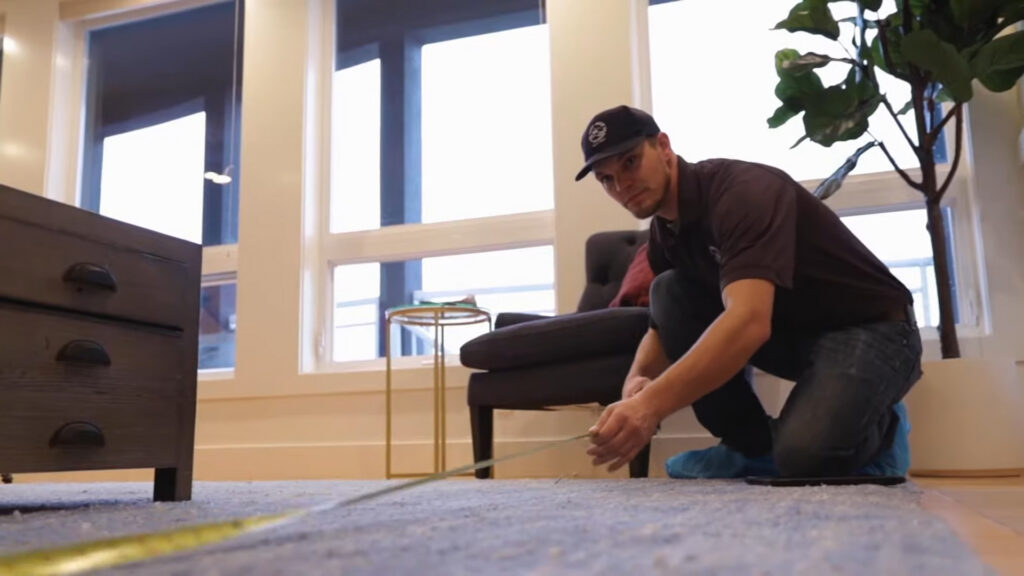
Fiber, Weave & Backing Assessment
We identify the weave construction, fiber composition, backing material, border type if present, and any existing damage, browning, shrinkage, backing deterioration, mold or fiber fraying. This assessment determines the safest and most effective cleaning approach before any product is introduced.
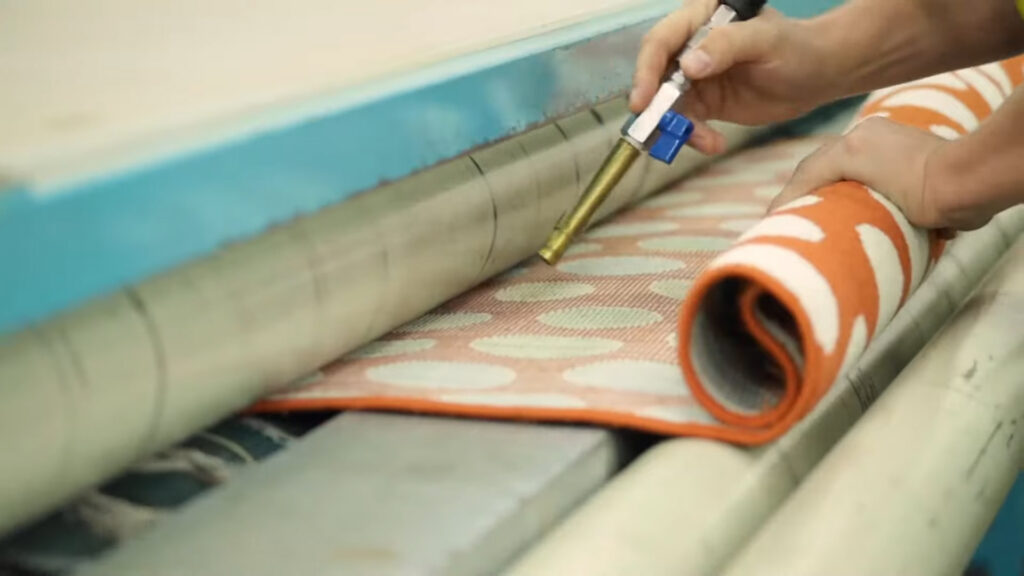
Thorough Dry Soil Extraction
We begin with aggressive dry extraction of loose soil, grit, dust, and debris from the weave channels before introducing any moisture. Sisal weaves accumulate dry debris in the channels between fiber strands that vacuuming cannot fully reach, removing it dry first dramatically reduces the cleaning load and prevents dry grit.
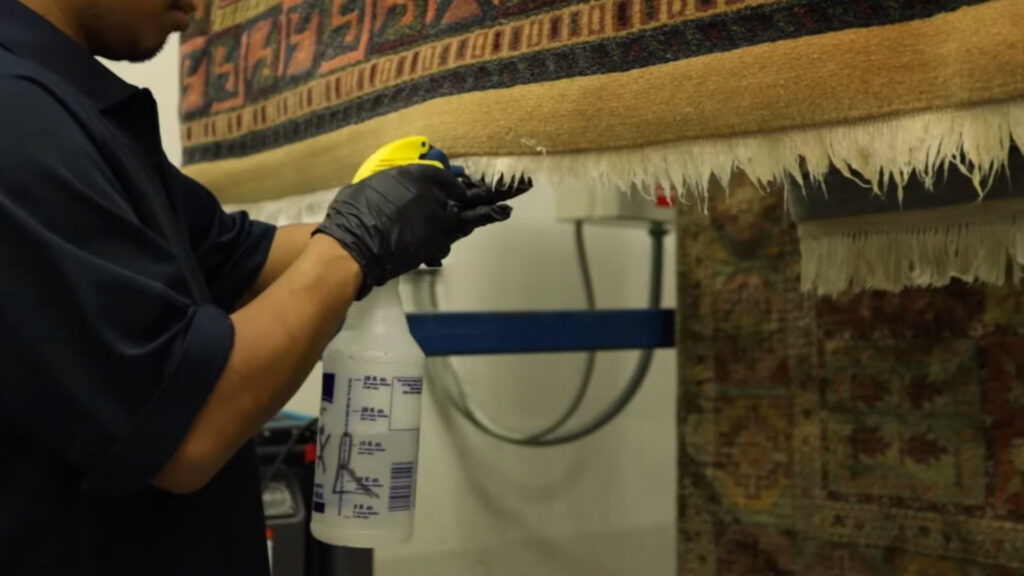
Targeted Spot & Stain Treatment
Individual stains, food, pet urine, tracked-in soil, mold spots, are treated with pH-neutral, fiber safe solutions applied with minimal moisture and carefully controlled dwell time. We never use alkaline or strongly acidic spot solutions on sisal, which accelerate tannin browning and cellulose degradation in natural plant fiber.
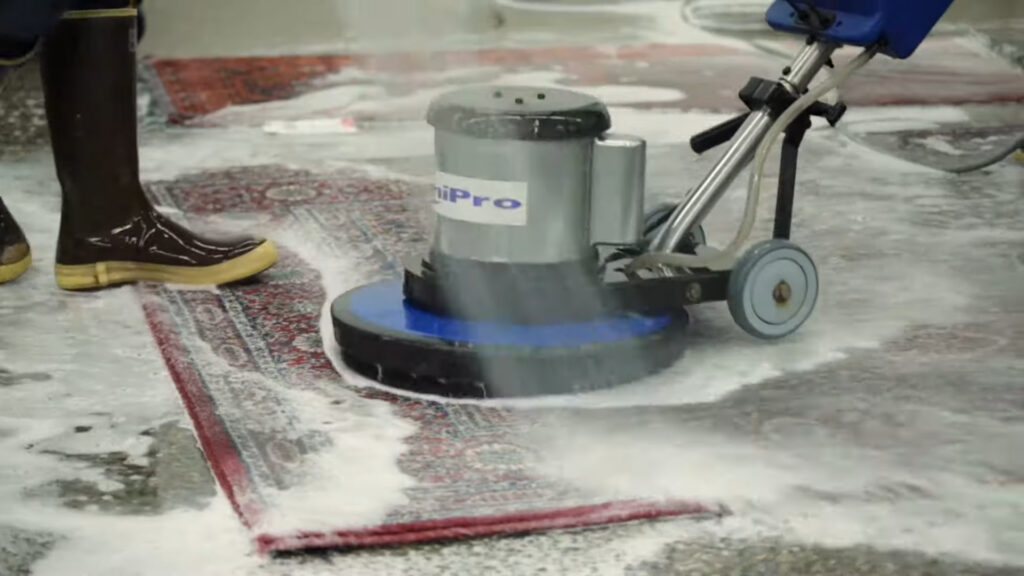
Low Moisture Surface Cleaning
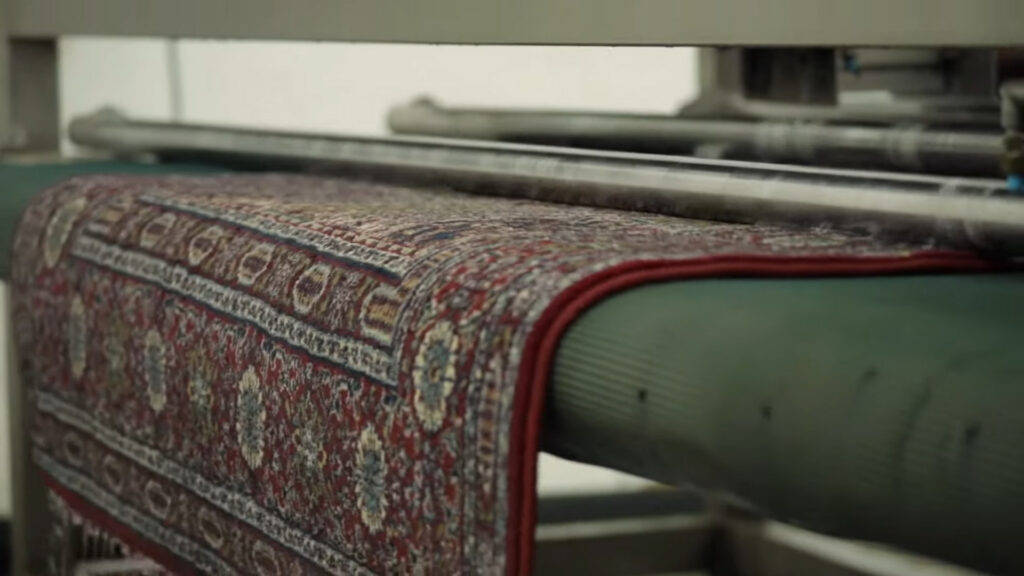
We apply a low moisture cleaning solution designed for natural plant fiber rugs using controlled equipment that minimizes moisture penetration into the structure and backing. The solution lifts surface soiling and neutralizes odors without introducing enough moisture to trigger shrinkage, browning or backing deterioration.
Immediate Accelerated Drying
Immediate and complete drying is the most critical step in sisal rug cleaning. The moment cleaning is complete, we deploy professional air movers working simultaneously above and below the rug to eliminate residual moisture from both the fiber surface and the backing as rapidly as possible. We do not return any sisal rug until it is completely dry.
Final Inspection & Surface Grooming
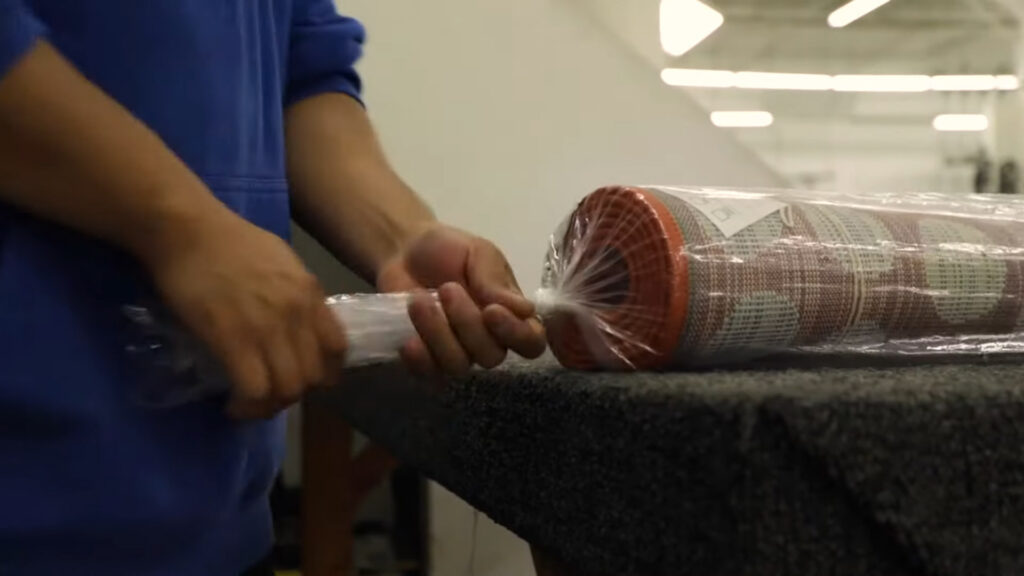
Once completely dry, we inspect the rug for any remaining staining, browning or moisture concerns, brush the surface weave to restore fiber alignment and texture, inspect the backing for integrity, and perform a final quality check. The rug is rolled, never folded and prepared for crease free delivery to your location.
Sisal Rug Cleaning Service Areas Near The Seattle Area
Fuzzy Wuzzy Rug Cleaning Company provides sisal rug cleaning with free pickup and delivery throughout the greater Seattle metro area, including:
- Seattle neighborhoods: Capitol Hill, Madison Park, Laurelhurst, Queen Anne, Magnolia, Madrona, Eastlake, Montlake, Bellevue, Green Lake.
- Eastside: Bellevue, Kirkland, Redmond, Medina, Clyde Hill, Mercer Island, Sammamish, Issaquah.
- North: Shoreline, Kenmore, Bothell, Woodinville, Edmonds.
- South: Renton, Tukwila, Burien, Federal Way.
Have an oversized sisal rug, a bordered piece, or an installed stair runner outside our standard service zone? Contact us, we regularly make special arrangements for high value pieces.
Free Pickup And Delivery
Fuzzy Wuzzy offers free pickup and delivery on all area rug cleaning services throughout King, Pierce, Snohomish, Skagit and Whatcom Counties. This covers the majority of Western Washington, however, if you are unsure as to whether or not your home is covered within our delivery radius, give us a call. Our rug pickup and delivery service is 100% free. That’s right!
Sisal Rug Cleaning FAQ
Still need a few more questions answered? Check out some of our frequently asked questions from our customers.
Yes, but only with low moisture or dry extraction methods specifically designed for natural plant fiber rugs. Standard wet cleaning, submersion, steam cleaning, or hot water extraction causes sisal to shrink, brown, and develop mold in the weave and backing. At Fuzzy Wuzzy Rug Cleaning Company, we use controlled low moisture surface cleaning combined with immediate professional accelerated drying to clean sisal rugs effectively without causing the moisture damage that ruins them.
Browning in sisal rugs is almost always caused by moisture. Like jute, sisal contains natural plant tannins that oxidize and migrate to the fiber surface when wet, leaving permanent yellow or brown discoloration. This can result from spills, steam cleaning, over wet mopping on adjacent hard floors, or improper rug cleaning. Some browning can be reduced with professional treatment, but prevention through low moisture cleaning is always more effective than correction after the fact.
Sisal rug cleaning at Fuzzy Wuzzy is priced based on the rug’s size, weave construction, border composition, condition, and whether browning or mold treatment is required. Most sisal rugs range from $2-$4 per square foot for professional cleaning. Rugs with wool borders requiring separate treatment, heavily soiled pieces, or installed stair runners may be priced differently. We provide a written quote after assessing your rug, contact us for a free estimate.
Yes — though sisal is one of the more challenging fibers for pet urine treatment because urine is moisture, which triggers browning in sisal, and the uric acid bonds quickly to plant cellulose fiber. We use enzyme-based neutralizers applied with minimal moisture and immediately followed by maximum accelerated drying to address odor while minimizing the risk of tannin browning. The sooner a pet accident is treated, the better the outcome, contact us promptly rather than waiting.
Yes. Fuzzy Wuzzy Rug Cleaning Company provides free pickup and delivery for sisal rug cleaning throughout Seattle and most surrounding areas including Bellevue, Kirkland, Redmond, Mercer Island, Shoreline, and Renton. Sisal rugs are rolled, never folded and handled carefully during transport to prevent weave stress and backing crease damage.
Most sisal rugs are cleaned and returned within 1-2 weeks. The drying stage is the most critical variable, sisal must be completely dry throughout the fiber and backing before it is returned, and we use professional accelerated drying equipment to make this stage as efficient as possible without rushing it. We will give you a specific timeline when we assess your rug.
Vacuum your sisal rug regularly with a suction only attachment, never a beater bar, which frays the woven fiber strands over time. Blot spills immediately and as thoroughly as possible with a clean dry cloth, absorbing moisture before it can penetrate the weave. Never use steam mops on or near a sisal rug. Place a breathable rug pad underneath to allow air circulation and prevent moisture from becoming trapped between the backing and the floor. Rotate the rug periodically to ensure even wear and prevent any single area from accumulating concentrated soil.